RISC

Apple Weighs RISC Technology for Next Generation of Computer

from the June 1, 1987 issue of MacWEEK
cover image

by John Markoff

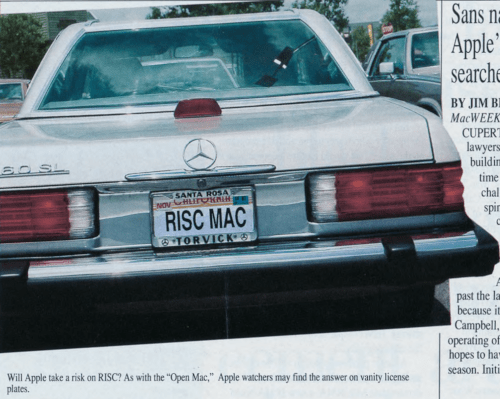
Apple Computer Inc.’s next generation of computers may be based on a radically new microprocessor architecture that could improve performance dramatically over today’s Macintosh designs.

Such computers would be built around microprocessors combining elements of both Reduced Instruction Set Computer (RISC) and multiprocessor design onto a single silicon chip. Apple’s advanced development team is now at work using its Cray XMP supercomputer to simulate the design of the new chips.
RISCy Business

from the December 1985 issue of Australian Personal Computer

cover image

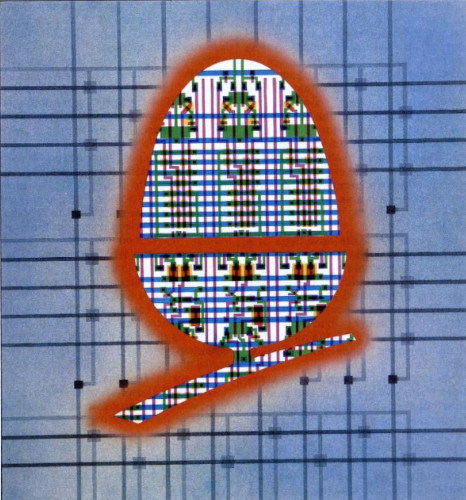
The Reduced Instruction Set Processor (RISC) era has begun, albeit quietly, and working examples are now appearing on the market. Dick Pountain examines three such processors.

What exactly is a RISC, and why is it a good thing? A reduced instruction set processor, as the name suggests, is one which can execute only a small number of different instructions, compared to the prevailing standards of the day. In computing (as indeed in most walks of life) everything is a trade-off. A RISC processor trades off the number of instructions available to the programmer for speed; RISC processors can execute many times faster than their more complex brethren. When implemented as microprocessors in silicon, RISC designs also save precious space on the chip; smaller chips can be designed and debugged more quickly and cost less to fabricate.